
«Harry el sucio» y «Matrix» ingresan al registro de películas de EEUU

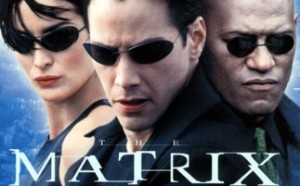 Símbolos de la cultura estadounidense, y consideradas películas de culto, «Harry el sucio» («Dirty Harry», de 1971) y «Matrix» («The Matrix», de 1999) fueron seleccionadas para ingresar al Registro Nacional de Películas de Estados Unidos junto con otros 23 filmes, informó este miércoles la autoridad responsable de esta selección de archivos.
Otro título elegido para unirse al listado que incluye clásicos como «Citizen Kane» («Ciudadano Kane») o «Casablanca» es «Desayuno en Tiffany’s» («Breakfast at Tiffany’s», de 1961), escrita por Truman Capote y protagonizada por Audrey Hepburn. También ingresará el documental «Los tiempos de Harvey Milk» («The Times of Harvey Milk», de 1984), un filme sobre la vida y el asesinato del primer concejal abiertamente homosexual electo en San Francisco.
«La Cabaña del Tío Tom» («Uncle Tom’s Cabin», de 1914), una adaptación de la novela con el mismo nombre que es referencia para la cultura negra estadounidense, también se unirá a este privilegiado registro.
Fundado en 1989, el Registro Nacional de Películas «pone de relieve la importancia de preservar el patrimonio de películas destacadas de Estados Unidos», dijo el director de la Biblioteca del Congreso, James Billington.
«Estas películas no son seleccionadas como las mejores películas estadounidenses, sino como obras de importancia duradera para la cultura estadounidense. Son el reflejo de lo que somos como pueblo», añadió.
Cada año, 25 películas ingresan al registro que cuenta hasta el momento con 600 títulos de filmes realizados entre 1897 y 1999.
Nota Original: Terra
‘Dirty Harry,’ ‘The Matrix’ added to US film archive
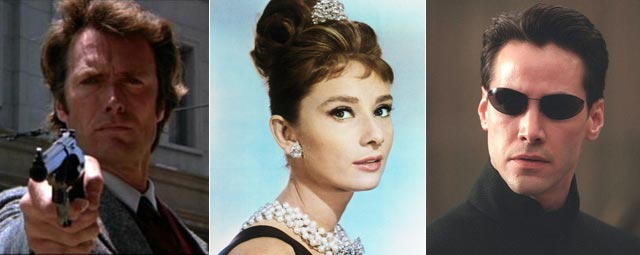
Clint Eastwood cop drama “Dirty Harry,” sci-fi epic “The Matrix” and timeless romantic comedy “Breakfast at Tiffany’s” are among 25 films being added to the US National Film Registry.
“The Times of Harvey Milk,” a 1984 documentary about the life and assassination of San Francisco’s first openly gay lawmaker, will also join classics like “Citizen Kane” and “Casablanca” in America’s official film archive, the registry announced Wednesday.
Librarian of Congress James Billington said the National Film Registry, established in 1989, “spotlights the importance of preserving America’s unparalleled film heritage.
“These films are not selected as the ’best’ American films of all time, but rather as works of enduring importance to American culture. They reflect who we are as a people and as a nation,” he added.
To qualify for possible inclusion films have to be at least 10 years old and “culturally, historically or esthetically” significant, said the registry, part of the Library of Congress.
“The Matrix” from 1999 is the most recent of the new additions, while 1971’s “Dirty Harry” is probably the most popular and classic in the mainstream sense of the word.
“Breakfast at Tiffany’s,” starring Audrey Hepburn as New York society girl Holly Golightly and with a screenplay co-written by Truman Capote from his own novella, dates from 1961.
Others chosen to join are less well known: they include “Uncle Tom’s Cabin” (1914), which features the first black actor to star in a feature-length US film, and “One Survivor Remembers,” a 1995 short about a Holocaust survivor.
“A Christmas Story” (1983) is based on humorist Jean Shepherd’s “In God We Trust, All Others Pay Cash,” while “Anatomy of a Murder” (1959) broke barriers due to its blunt language and willingness to openly discuss adult themes.
More well known perhaps are 1957 western “3:10 to Yuma” and “Born Yesterday” (1950), featuring an Oscar-winning turn from Judy Holliday,” while 1991’s “Slacker” marked the blossoming of American independent cinema in the 1990s.
The National Film Registry was created in 1989 and now has some 600 movies dating from 1897 to 1999, with 25 new ones chosen each year.
Temas: Audrey Hepburn, Citizen Cane, Ciudadano Kane, Harvey Milk, Matrix, Trilogía Matrix, Truman Capote
Por el respeto a esta libertad de todos, debemos informarte que Feeling.Mx y Radionautas.org se reservan el derecho a editar o publicar mensajes obscenos o bien que atenten contra la ley y la dignidad de terceros. ¡Gracias por tu aportación!
Comentarios
Entrada anterior: EU gana Miss Universo
Siguiente entrada: Obama, persona del año de “Time” por segunda vez


