
Los Smartphones juegan un papel clave en los divorcios

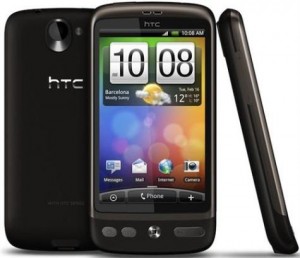 Además de funciones de mensajería instantánea, correos, procesadores de datos y otras funciones que los teléfonos inteligentes prestan a los usuarios, ahora los smartphones también les facilitan a los abogados la tarea de probar infidelidades u otras causales de divorcio en EE.UU.
Según informó la Academia Americana de Abogados Matrimoniales, estos dispositivos contienen pruebas importantes y fáciles de extraer para ser usados como prueba y agilizar los procesos de disolución matrimonial.
Evidencia digital
«A medida que los teléfonos inteligentes y mensajes de texto se convierten en fuentes principales de comunicación durante el día, es inevitable que haya más y más evidencia que un cónyuge separado puede recoger», señaló en un comunicado Ken Altshuler, presidente de la organización.
El 62% de las pruebas presentadas en los procesos de divorcio son los mensajes de texto, mientras que el 23% son correos electrónicos y tan solo el 13% son llamadas, según informó esta academia de abogados.
“Los mensajes de texto pueden ser poderosas evidencias en un caso de divorcio, porque son registros escritos de los pensamientos, acciones e intenciones de una persona”, reiteró Altshuler.
GPS
A los mensajes de texto, las llamadas y los correos electrónicos, se deben sumar aplicaciones como el GPS, los historiales de búsquedas en Internet y, por supuesto, las redes sociales, según confirmó la organización.
*Nota de tomsguide.com
Divorcing Couples Using Smartphones as Legal Weapons
Smartphones are a wonderful invention that have enriched our lives and made everyday tasks more manageable. However, a knock-on effect of our reliance on these smartphones is that they pretty much know everything about us. So, really, it shouldn’t surprise that divorce lawyers are apparently seeing more and more cases where the evidence used was taken from a smartphone.
All Things Digital’s Ina Fried cites the American Academy of Matrimonial Lawyers in reporting the news. According to the AAML, the majority of the organization’s members say they’ve seen a ‘sharp rise’ in the number of cases citing evidence taken from both smartphones and text messages. AAML says that text messages are the most common form of evidence being presented (62 percent of the time), followed by email (23 percent) and phone numbers and call histories (13 percent). It’s apparently still rare to see people highlighting GPS data or internet searches.
«As smartphones and text messaging become main sources of communication during the course of each day, there will inevitably be more and more evidence that an estranged spouse can collect,» organization President Ken Altshuler is quoted as saying in a statement. «Text messages can be particularly powerful forms of evidence during a divorce case, because they are written records of someone’s thoughts, actions and intentions.»
Earlier this year, a study from Divorce-Online indicated that Facebook is now being mentioned in one third of British petitions for divorce citing unreasonable behavior. The study was a follow-up to a survey carried out in December 2009, when the divorce blog discovered that 20 percent, or one fifth, of petitions for unreasonable behavior contained the word ‘Facebook.’ In December of 2011, Divorce-Online conducted the same study, using the same sample size of 5,000 behavior petitions, and found that this 20 percent had risen to 33 percent.
Por el respeto a esta libertad de todos, debemos informarte que Feeling.Mx y Radionautas.org se reservan el derecho a editar o publicar mensajes obscenos o bien que atenten contra la ley y la dignidad de terceros. ¡Gracias por tu aportación!
Comentarios
Entrada anterior: Adele arrasa en los Grammy
Siguiente entrada: La música funciona como un amplificador de las emociones.


